Honey Drop 8 – “The Wealth of Nothing”


📅 November 08 


📖 2 Corinthians 6:10 — “As sorrowful, yet always rejoicing; as poor, yet making many rich; as having nothing, and yet possessing everything.”
Scenario


Scenario


Paul lived with two faces—not in deceit, but in devotion. Like the Roman god Janus, he stood at the threshold of sorrow and joy, lack and abundance. But unlike myth, Paul’s paradox was patterned after Christ Himself—who thirsted while giving drink, who died to give life. The apostle didn’t hide the tension. He bore it. And in that bearing, he revealed a kingdom that flips every earthly measure.


A tense journey


This verse doesn’t resolve the paradox—it honors it. Sorrow and joy aren’t opposites here—they’re companions. Poverty isn’t shame—it’s generosity. Emptiness isn’t failure—it’s freedom. Paul’s life was a contradiction, and that contradiction was holy. The tension doesn’t mean something’s wrong. It means something’s real. And Christ lived it first.

Sweetness Drop


I held nothing, 
but You held me. 
I gave what I didn’t own,  and made others rich. 
My tears didn’t cancel my praise— 
they baptized it. 
And in the ache of lack, 
I found the wealth of nothing.

Honey Drop 7 – “Held in the Flame”


📅 November 07 

📖 Malachi 3:3a — “He will sit as a refiner and purifier of silver…”

Bee Act 1

Refining isn’t dramatic—it’s deliberate. The silversmith doesn’t pace. He sits. He stays close. The flame does its work slowly, burning away what doesn’t belong. And the silver? It doesn’t resist. It yields. It glows. It suffers transformation in silence. But the refiner suffers too—not in destruction, but in devotion. He feels the heat that changes the silver. He stays until the shine reflects his own face.

Tension / Comfort


We often ask God to change us—but we rarely ask Him to stay with us in the fire. Malachi says He does both. He purifies, yes—but He also remains. He doesn’t abandon the process. He’s present in the pain. And He knows when to stop—not when the silver screams, but when He sees Himself in it. The fire refines the silver, but it also reveals the heart of the Refiner. The heat we feel is not a sign of distance—it’s proof of proximity.

Sweetness Drop


You didn’t rush the burn. 
You sat. 
You stayed. 
You felt the heat that changed me. 
I begged for rescue, 
but You waited for shine. 
And when You saw Yourself in me, 
You pulled me from the flame.

Honey Drop 5 – “See Through the Sea”


📅 November 05 

Scene


📖 Exodus 14:13–14 — “Do not be afraid. Stand firm and you will see the deliverance the Lord will bring you today. The Egyptians you see today you will never see again. The Lord will fight for you; you need only to be still.”


There are moments when movement feels like survival—when the only thing louder than fear is the urge to fix, flee, or fight. The Israelites stood at the edge of the sea, hemmed in by water and war. Behind them, the memory of bondage galloped forward in chariots. Before them, the impossible shimmered in waves. And in that impossible place, Moses didn’t tell them to run or shout. He told them to stand still. He told them to be silent.


Unusual teamwork


Stillness and silence weren’t just spiritual disciplines—they were survival. Panic could’ve fractured the moment. If they had scattered, they would’ve scattered into death. If they had spoken, they would’ve spoken fear. But Moses made it clear: “The Lord will fight for you; you need only to be silent.” 
Silence didn’t mean neglect—it meant sacred restraint. Stillness wasn’t passivity—it was prophetic posture. The miracle didn’t come because they moved—it came because they waited. And in that hush, something holy began.

Honey Drop


Sometimes we’re lords, sometimes we’re not; 
Sometimes watching God work may be all we’ve got. 
The sea won’t part for pride or panic— 
only in the stillness that drives one manic. 
We’re in that crowd, we walk on dry land, 
where a sea had been our last stand.

Honey Drop 4: Crushed Like an Olive

From the petal to the hive—gathering sweetness from Scriptures

🌆 Where the treasure?


Jerusalem lies in ruins. The prophet sits in the rubble, surrounded by silence, smoke, and sorrow. The Temple is torched. The people are scattered. The grief is architectural—built brick by bitter brick.

“He has built against me and surrounded me with bitterness and hardship.” — Lamentations 3:5


⚖️ The Tension / Comfort
This isn’t chaos—it’s construction. The bitterness isn’t random; it’s structured. The prophet doesn’t accuse God of rage—he names Him as the builder. That’s the tension: divine discipline that feels like siege. And yet, the comfort is hidden in the structure itself. If God built it, He can also break it down.


🍯 The Drop (Sweet / Bitter)
Honey Drop: Some oil only flows when the olive is crushed. 
The bitterness is real. The grief is heavy. But the press produces purity. In the architecture of affliction, God is still present—not absent, but shaping. The sweetness? It’s in the knowing that sorrow has a source—and therefore, a limit.

Honey Drop Alert🍯

My new series – Honey Drop – started November 1. The target is   every day around 3:00 in the afternoon. I hope to show that the word of God, his message to humanity, contains as much honey as the pollen we, the busy bees, transport from the petals to the hive.

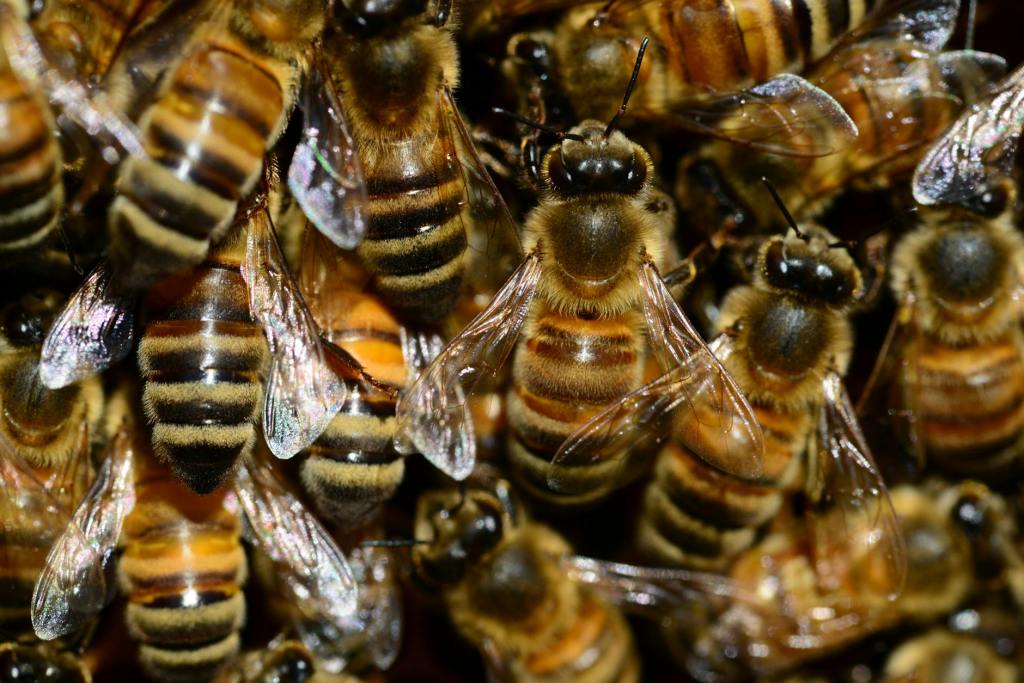
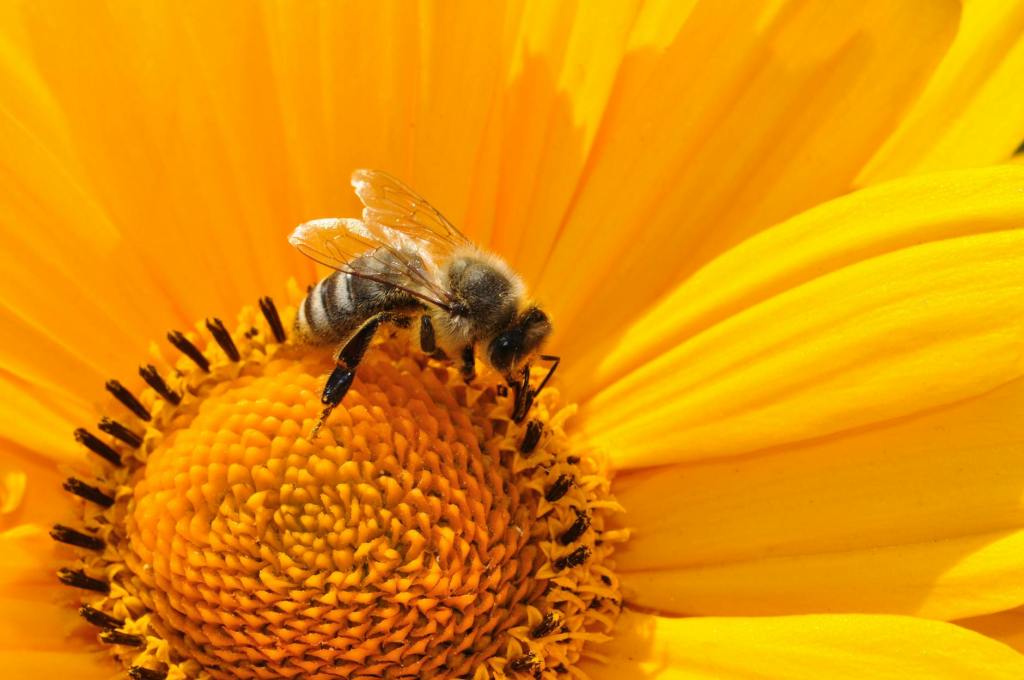
Imagine that you are a bee, and your one mission is to collect nectar and bring it to the hive.

Honey Drop 3

The Hare and the Heartset

Listen: Half-holy rabbits
Photo by Pixabay on Pexels.com


Take a Dive with Dr J 

The Hop Between the Hare and the Horizon

In the ancient world, eating a hare wasn’t casual—it was calculated. And that’s what makes this verse so rich. It’s not just about what’s forbidden. It’s about what we’re willing to pursue, prepare, and justify.

> “And the hare, because he chews the cud but does not divide the hoof, he is unclean to you.” — Leviticus 11:6


The hare chews the cud but doesn’t split the hoof. It mimics the motions but misses the mark. And in that moment—between the chew and the stride—we find ourselves. 
Are we ruminating on truth but walking without distinction? Are we hopping toward holiness or just hovering near the edge?

    Honey Drop 🍯

    Naming Nectar: Paul’s Precision in Philemon


    Take a Dive with Dr J; from the petal to the hive.

    From the petal to the hive—let’s take a dive into the sweetness of meaning, where every word carries weight and every name holds nectar.

    In this series, we invite the believer on a scenic journey—from the delicate petal of personal engagement to the communal hive of gospel ministry. Each dive explores how biblical language, like nectar, is gathered with care and transformed into honeyed insight.

    🐝 The Scene
    In his brief letter to Philemon, Paul greets four individuals—but not with uniformity. Each name is paired with a distinct term of association:

    – Timothy: Brother 
    – Philemon: Dearly beloved and fellow laborer 
    – Apphia: Beloved 
    – Archippus: Fellow soldier

    Paul could have easily used “brother” for all. But he doesn’t. Instead, he chooses specificity—each term tailored to the person’s relationship, role, and memory.

    🧠 Memory and Ministry
    This isn’t just poetic flourish. It’s pastoral precision. Paul affirms each person’s unique value in the gospel story. His words are not generic—they’re generative. They build identity, affirm calling, and deepen connection.

    In ministry, memory matters. And naming is one way we remember well. By choosing distinct terms, Paul ensures that each person knows they are seen, known, and honored.

    🍯 Honey Drop
    Affirmation is not flattery—it’s formation. 
    When we speak with specificity, we don’t just communicate—we consecrate. We turn casual greetings into sacred recognitions. Like bees gathering nectar, we collect the details that make each person distinct—and return to the hive with honey that nourishes the whole.

    More Honey Tomorrow!

    Honey Drop🍯

    I am starting a new series beginning today,   it’ll come out every day around 3:00 in the afternoon. I hope to show that the word of God, his message to humanity, contains as much honey as the pollen we, the busy bees, transport from the petals to the hive.

    Imagine that you are a bee, and your one mission is to collect nectar and bring it to the hive.